Cybersecurity Trends and Digital Threats in 2026
By News Story US • February 28, 2026
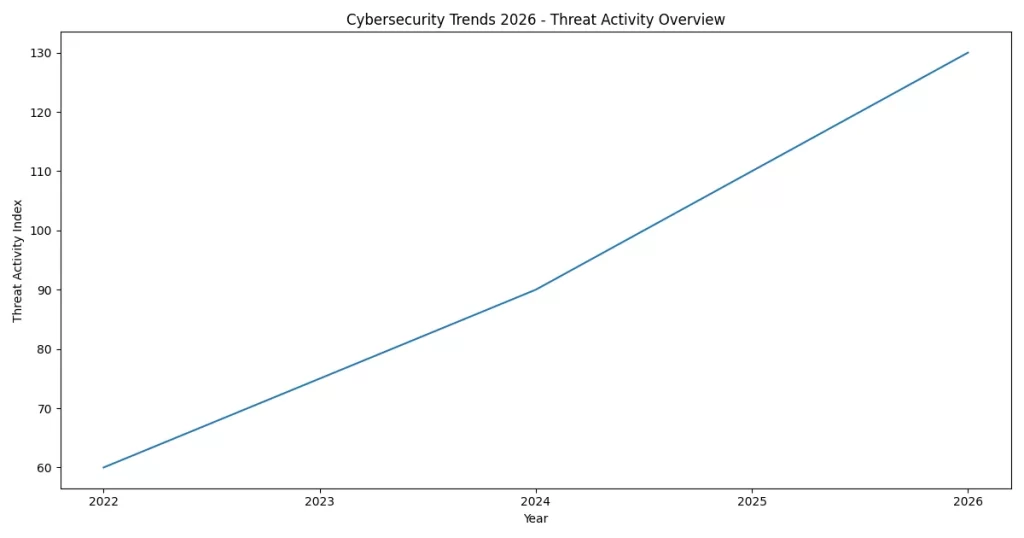
The cybersecurity trends 2026 reflect a rapidly evolving digital landscape shaped by cloud expansion, artificial intelligence integration, and increasingly sophisticated cyber threats. As businesses, governments, and consumers rely more heavily on digital infrastructure, protecting sensitive data and network systems has become a strategic priority.
In 2026, cybersecurity is no longer viewed as a technical afterthought. Instead, it is recognized as a core component of organizational resilience, economic stability, and digital trust.
Why Cybersecurity Trends 2026 Matter
The cybersecurity trends 2026 matter because digital systems now support essential services, including finance, healthcare, transportation, and communication. A disruption in cybersecurity can affect operations at multiple levels.
Key factors driving cybersecurity focus include:
- Increased cloud adoption
- Expansion of remote work environments
- Growth of connected devices
- Rising ransomware activity
- Regulatory requirements
Organizations are investing in proactive threat detection and incident response capabilities to reduce vulnerabilities.
Rise of AI-Powered Security Systems
Artificial intelligence plays a dual role in cybersecurity. On one hand, AI tools enhance security operations by detecting unusual activity patterns in real time. On the other hand, malicious actors may use automation to scale attacks.
AI-driven security platforms are used for:
- Behavioral analysis
- Fraud detection
- Intrusion monitoring
- Automated response actions
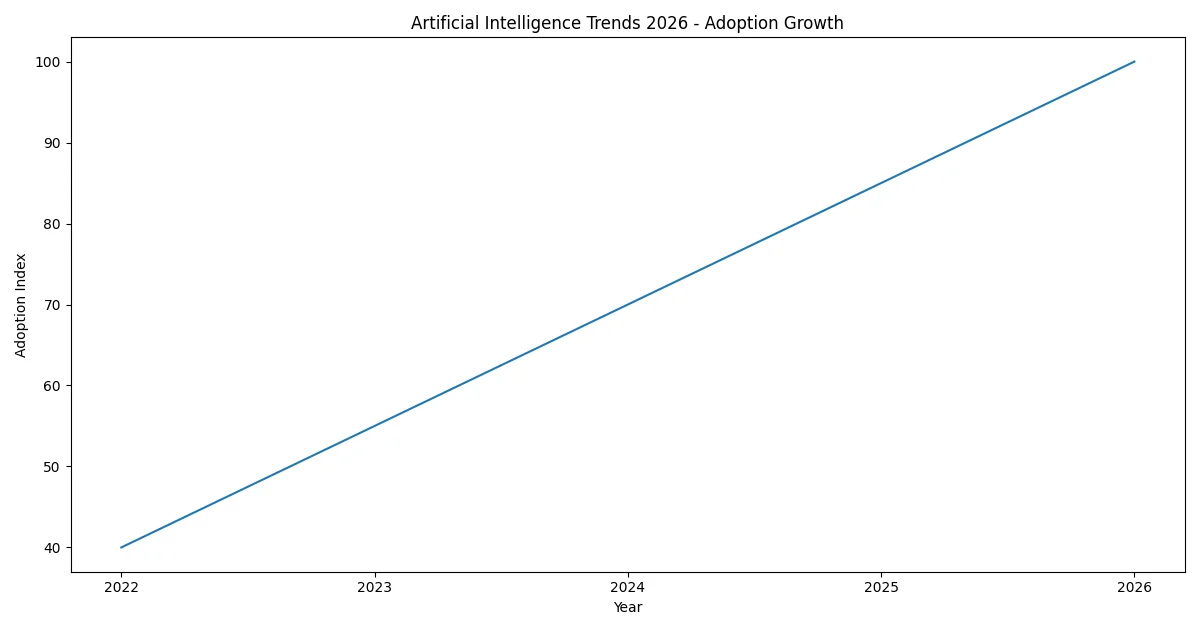
As discussed in our article on artificial intelligence trends 2026, machine learning technologies are increasingly embedded into enterprise systems.
Artificial Intelligence Trends 2026
Cloud Security in 2026
Cloud computing remains central to cybersecurity trends 2026. Organizations migrating to cloud infrastructure must secure:
- Data storage environments
- Application interfaces
- User access controls
- Cross-platform integrations
Cloud service providers offer shared responsibility models where both providers and customers play roles in securing infrastructure.
The National Institute of Standards and Technology (NIST) provides cybersecurity frameworks widely referenced by enterprises:
https://www.nist.gov/cyberframework
Ransomware and Evolving Threats
Ransomware remains a persistent cybersecurity challenge. Attackers often target:
- Critical infrastructure
- Healthcare institutions
- Educational systems
- Small and mid-sized businesses
Cybersecurity teams are focusing on backup strategies, network segmentation, and rapid recovery planning to mitigate risks.
The Cybersecurity and Infrastructure Security Agency (CISA) publishes guidance on ransomware prevention:
https://www.cisa.gov/
Data Privacy Regulations
Data protection laws continue shaping cybersecurity trends 2026. Governments worldwide emphasize:
- Consumer data transparency
- Consent management
- Cross-border data compliance
- Breach notification requirements
Organizations must implement security controls that align with regulatory expectations while maintaining operational efficiency.
Zero Trust Security Model
The Zero Trust model is gaining broader adoption. This approach assumes that no user or system should be automatically trusted, even within internal networks.
Zero Trust principles include:
- Continuous authentication
- Least-privilege access
- Network segmentation
- Device validation
This model reduces risk exposure in hybrid work environments.
Internet of Things (IoT) Security
Connected devices continue to expand across industries. IoT security remains a growing focus within cybersecurity trends 2026.
Organizations must secure:
- Industrial sensors
- Smart home devices
- Connected medical equipment
- Enterprise hardware
Vulnerable devices can create entry points for broader network compromise.
Workforce Awareness and Training
Human error remains one of the most common causes of security breaches. Employee training programs help reduce risks related to:
- Phishing emails
- Weak passwords
- Social engineering attacks
Organizations are investing in cybersecurity awareness initiatives to strengthen defensive posture.
Cybersecurity in Financial Services
Financial institutions face constant digital threats due to the value of financial data. Banks and payment processors deploy:
- Multi-factor authentication
- Encryption protocols
- Fraud detection analytics
Cybersecurity plays a critical role in maintaining financial system integrity.
Healthcare Cybersecurity
Healthcare providers manage sensitive patient data, making them attractive targets for cybercriminals. Security measures focus on:
- Secure electronic health records
- Device authentication
- Data encryption
- Incident response readiness
Healthcare cybersecurity remains closely monitored by regulators.
Global Collaboration on Cybersecurity
Cyber threats often cross national boundaries. International cooperation supports:
- Intelligence sharing
- Coordinated response efforts
- Standardized frameworks
- Cybercrime investigation
Organizations such as the International Telecommunication Union (ITU) publish digital security resources:
https://www.itu.int/
Economic Impact of Cybersecurity Investments
Cybersecurity spending has increased steadily as organizations recognize the cost of potential breaches. Investments include:
- Security software
- Managed services
- Incident response teams
- Compliance audits
Preventative measures often reduce long-term operational disruption.
Future Outlook for Cybersecurity
The long-term outlook for cybersecurity trends 2026 suggests continued innovation in:
- AI-powered defense systems
- Cloud-native security tools
- Behavioral analytics
- Encryption standards
As digital transformation accelerates, cybersecurity remains integral to sustainable technology growth.
FAQs
1. What are the key cybersecurity trends 2026?
Major trends include AI-driven security, cloud protection, ransomware defense, and regulatory compliance initiatives.
2. Why is cloud security important?
Cloud infrastructure supports essential business operations and must be secured through shared responsibility models.
3. What is Zero Trust security?
Zero Trust is a model that requires continuous verification of users and devices before granting access.
4. Where can organizations find cybersecurity guidelines?
Official frameworks are available from NIST and CISA.
5. Does cybersecurity eliminate all risk?
No system is entirely risk-free, but proactive measures significantly reduce exposure.
Conclusion
Cybersecurity trends 2026 reflect an evolving digital environment where proactive defense, regulatory alignment, and technological innovation intersect. As organizations expand digital capabilities, maintaining strong cybersecurity frameworks becomes essential for operational continuity and public trust.
Ongoing collaboration between technology providers, policymakers, and enterprises will shape the future of digital security.