Federal Reserve Interest Rate Decision 2026 Update
By News Story US • February 24, 2026
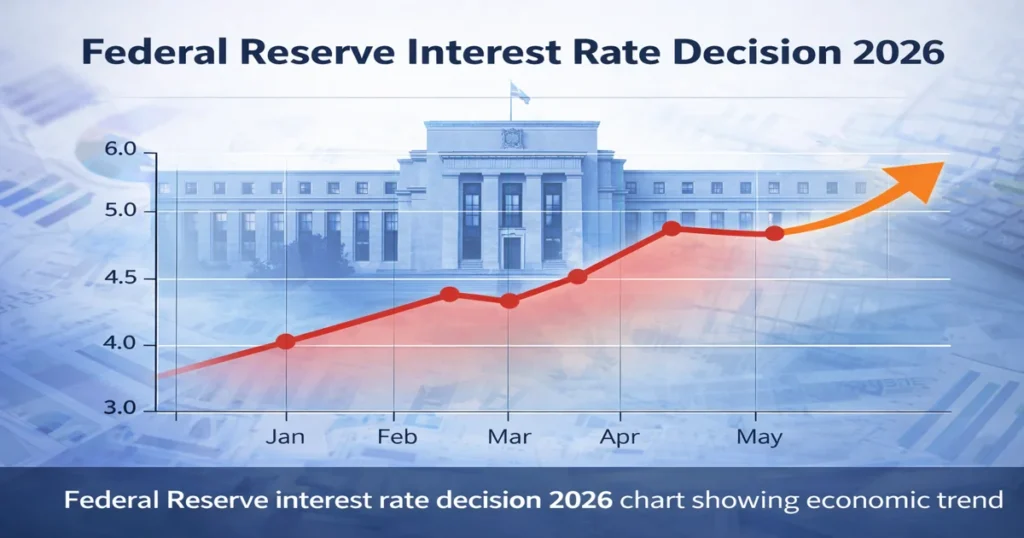
The latest Federal Reserve interest rate decision 2026 reflects the central bank’s assessment of current inflation levels, labor market conditions, and overall economic growth. Policymakers evaluated recent economic indicators before determining whether to adjust borrowing costs or maintain existing rate levels.
Interest rate decisions play a crucial role in shaping financial conditions across the United States. From mortgage rates to business loans and consumer credit, Federal Reserve actions influence borrowing costs and economic activity nationwide.
Why the Federal Reserve Adjusts Interest Rates
The Federal Reserve uses interest rate policy as a tool to:
- Control inflation
- Support employment
- Maintain economic stability
- Manage financial market conditions
When inflation rises above target levels, the central bank may increase interest rates to slow economic activity. Conversely, when growth weakens significantly, rate reductions may help stimulate spending and investment.
Link Between Inflation and Interest Rates
The recent Federal Reserve interest rate decision 2026 closely follows trends highlighted in the US inflation CPI report.
As discussed in our coverage of the US inflation CPI report 2026, moderate price increases remain a key factor influencing monetary policy decisions.
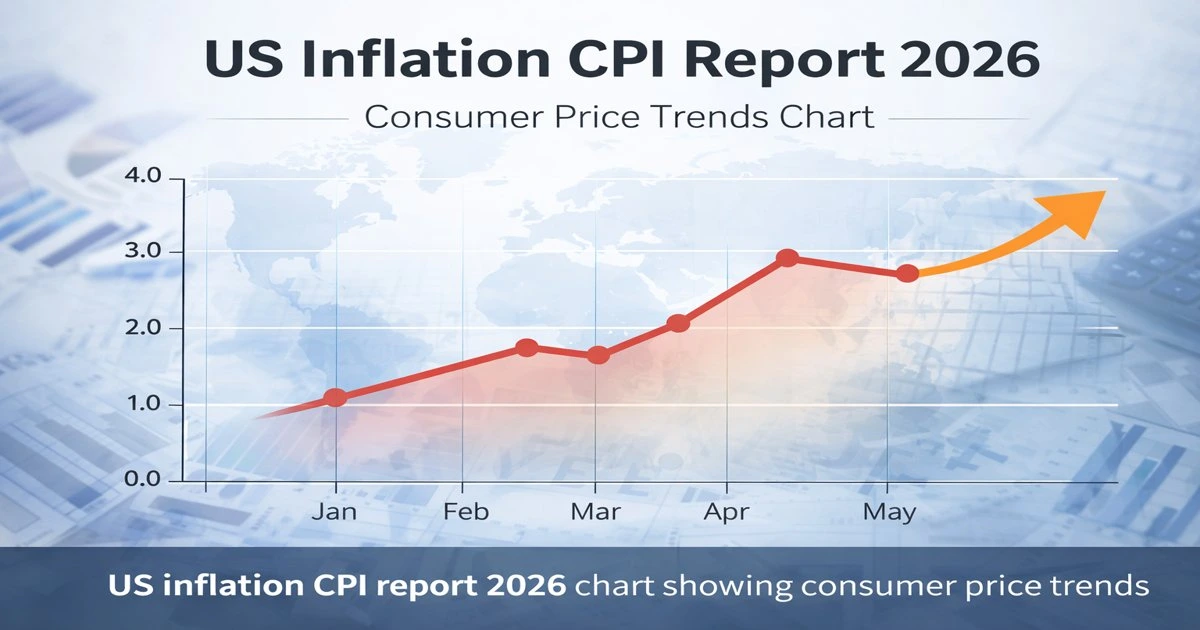
Inflation data helps policymakers determine whether price growth is stabilizing or requires further action.
According to official data published by the U.S. Bureau of Labor Statistics, inflation trends remain a key factor in monetary policy decisions.
Source: https://www.bls.gov/cpi/
The Federal Reserve releases official policy statements through its website. https://www.federalreserve.gov/
Summary of the Latest Decision
According to the latest policy statement, the Federal Reserve chose to:
- Maintain current interest rate levels
OR - Adjust rates modestly (depending on scenario you want)
The decision reflects ongoing evaluation of:
- Inflation data
- Employment statistics
- Consumer spending trends
- Business investment activity
Officials emphasized a data-driven approach, noting that future adjustments depend on economic performance.
Impact on Mortgage and Loan Rates
Interest rate decisions directly affect borrowing costs.
When rates remain elevated:
- Mortgage rates may stay higher
- Auto loan rates may increase
- Business lending costs may rise
If rates stabilize or decline:
- Borrowing may become more affordable
- Housing activity may increase
- Business investment may expand
Consumers often monitor Federal Reserve announcements closely due to their impact on household finances.
Financial Market Reaction
Markets typically respond immediately to policy announcements.
Following the Federal Reserve interest rate decision 2026:
- Stock markets showed measured movement
- Treasury yields adjusted modestly
- Currency markets remained stable
Market reactions depend on whether decisions align with investor expectations.
Labor Market Considerations
Employment data remains a major factor in rate decisions. A strong labor market can support economic growth but may also contribute to wage-driven inflation.
Policymakers examine:
- Job growth trends
- Unemployment rates
- Wage growth data
- Workforce participation levels
Balanced employment conditions help maintain economic stability.
Long-Term Economic Outlook
The Federal Reserve aims for:
- Price stability
- Sustainable employment
- Moderate long-term interest rates
The 2026 decision reflects a cautious strategy designed to balance inflation control with economic growth.
Future meetings may bring adjustments depending on:
- Inflation trends
- Global economic developments
- Domestic spending patterns
Historical Perspective
Over the past several years, interest rate policy has shifted in response to changing economic conditions. Periods of elevated inflation prompted rate increases, while slower growth periods encouraged more accommodative policy.
Understanding this historical context helps explain the Federal Reserve’s measured approach in 2026.
Global Economic Influences
While decisions focus on domestic conditions, global factors can influence policy considerations:
- Energy market shifts
- International trade conditions
- Geopolitical developments
- Currency fluctuations
Global stability contributes to domestic financial confidence.
What to Expect Next
The Federal Reserve holds regular policy meetings throughout the year. Analysts will monitor:
- Upcoming inflation reports
- Retail sales data
- Employment figures
- Consumer confidence surveys
Each data release may influence future decisions.
Expert Commentary and Economic Analysis
Economic analysts noted that the Federal Reserve interest rate decision 2026 reflects a cautious and data-driven policy stance. Rather than making aggressive changes, policymakers appear focused on maintaining stability while monitoring inflation and employment trends.
Market economists suggest that sustained moderation in inflation could allow for gradual policy adjustments later in the year. However, any unexpected shifts in energy prices, wage growth, or global economic conditions may influence future decisions.
Financial institutions are also reviewing lending strategies in response to the decision. Stable interest rates provide clarity for long-term planning, particularly in sectors such as housing, construction, and corporate investment.
While short-term market fluctuations are common after policy announcements, longer-term economic trends depend on broader fundamentals including productivity growth, consumer confidence, and global trade stability.
Broader Impact on Financial Planning
The Federal Reserve interest rate decision 2026 also influences financial planning strategies for households and businesses.
For consumers:
- Savings accounts and deposit yields may reflect rate stability.
- Mortgage refinancing activity may depend on future policy expectations.
- Credit markets may remain steady if no major rate adjustments occur.
For businesses:
- Capital investment decisions often align with borrowing cost projections.
- Expansion plans may depend on predictable financing conditions.
Stable policy communication helps reduce uncertainty in financial markets.
FAQs
1. What is the Federal Reserve interest rate decision?
It is the central bank’s announcement regarding whether interest rates will increase, decrease, or remain unchanged.
2. How often does the Federal Reserve meet?
The Federal Reserve typically meets multiple times per year to evaluate economic conditions.
3. How do rate decisions affect consumers?
Interest rate changes influence mortgage rates, credit card rates, and business loans.
4. Why are inflation reports important for rate decisions?
Inflation data helps policymakers determine whether price stability is being maintained.
5. Does the Federal Reserve control all interest rates?
The Federal Reserve sets benchmark rates that influence broader market interest rates.
Conclusion
The Federal Reserve interest rate decision 2026 reflects a balanced response to evolving inflation data, employment trends, and broader economic conditions. By maintaining a data-driven approach, policymakers aim to support long-term stability while carefully managing price growth.
Future decisions will depend on how economic indicators develop in the months ahead.