How Interest Rates Affect Mortgage Payments in 2026
By News Story US • February 24, 2026
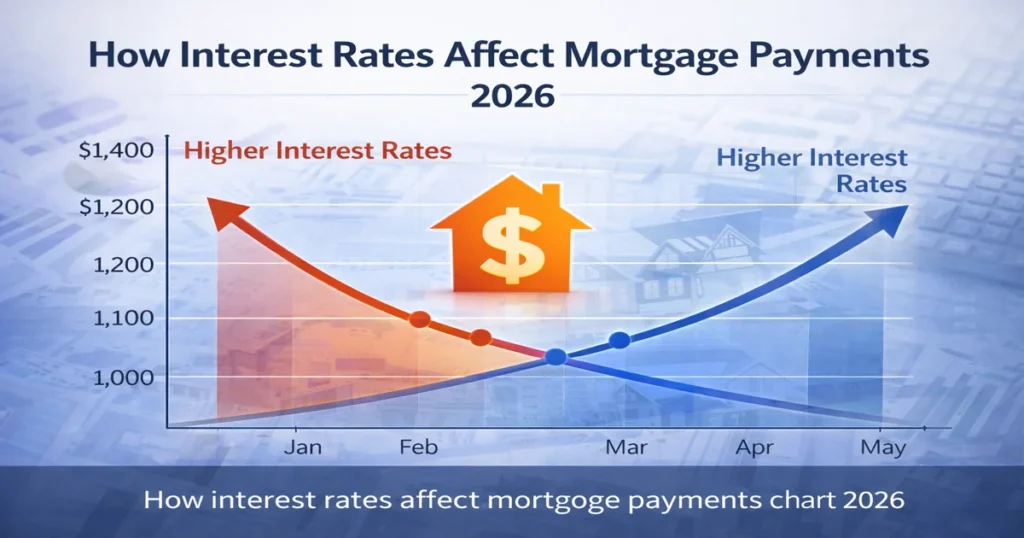
Understanding how interest rates affect mortgage payments is essential for homebuyers, homeowners, and real estate investors in 2026. Changes in benchmark interest rates influence monthly payments, long-term borrowing costs, and overall housing affordability across the United States.
Mortgage rates do not move randomly. They are closely connected to inflation trends, Federal Reserve policy decisions, bond market movements, and broader economic conditions. When rates change, the impact can be felt immediately in housing markets and personal financial planning.
The Basic Relationship Between Interest Rates and Mortgages
To understand how interest rates affect mortgage payments, it’s important to know how lenders determine borrowing costs.
Mortgage rates are influenced by:
- Federal Reserve benchmark rates
- Treasury bond yields
- Inflation expectations
- Credit market conditions
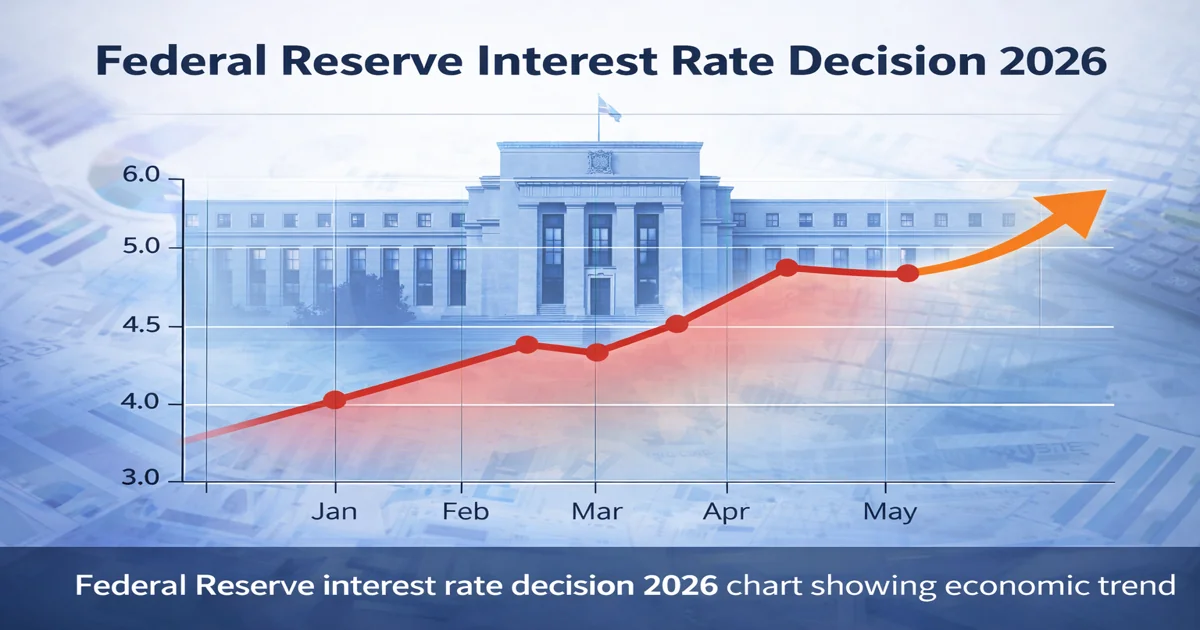
When the Federal Reserve adjusts interest rates, borrowing costs across financial markets often move in response. As explained in our coverage of the Federal Reserve interest rate decision 2026, policymakers monitor inflation and employment data before making adjustments.
Federal Reserve interest rate decision 2026
Fixed-Rate vs Adjustable-Rate Mortgages
When analyzing how interest rates affect mortgage payments, loan type plays a major role.
Fixed-Rate Mortgages
- Interest rate remains constant
- Monthly payment remains predictable
- Popular for long-term stability
If rates rise after you secure a fixed loan, your payment does not change.
Adjustable-Rate Mortgages (ARMs)
- Rates adjust periodically
- Monthly payments may increase or decrease
- Often tied to benchmark indexes
When interest rates rise, ARM borrowers may see payment increases.
How a Small Rate Change Impacts Monthly Payments
Many borrowers underestimate how strongly interest rates affect mortgage payments.
For example:
On a $300,000 mortgage:
- At 6% interest → Monthly payment ≈ $1,798
- At 7% interest → Monthly payment ≈ $1,996
That 1% difference increases the payment by nearly $200 per month.
Over 30 years, that difference becomes substantial.
This is why monitoring how interest rates affect mortgage payments is critical before buying a home.
The Role of Inflation
Inflation plays a direct role in mortgage pricing. When inflation rises, lenders often increase rates to maintain real returns.
As highlighted in the US inflation CPI report 2026, moderate price increases continue to influence borrowing conditions.
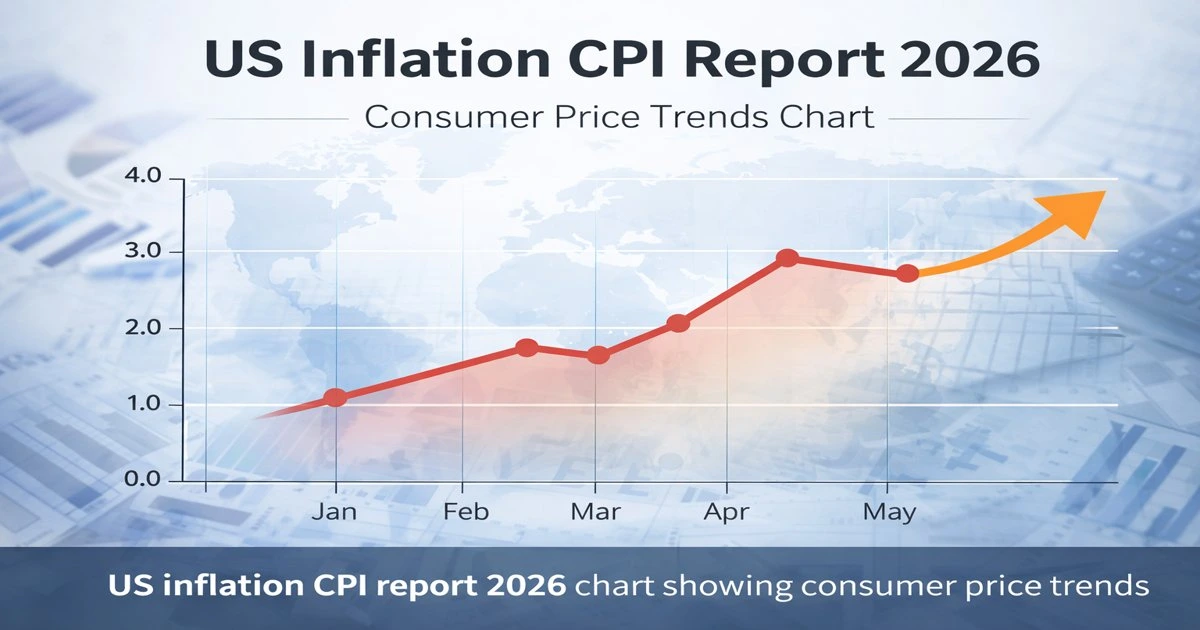
Official inflation data is published by the U.S. Bureau of Labor Statistics:
https://www.bls.gov/cpi/
Lenders evaluate this data when pricing loans.
Treasury Yields and Mortgage Rates
Mortgage rates are strongly tied to the 10-year U.S. Treasury yield.
When bond yields rise:
- Mortgage rates typically increase
- Borrowing becomes more expensive
When yields fall:
- Mortgage rates may decline
- Housing demand may increase
Freddie Mac regularly publishes mortgage rate data used by financial analysts:
https://www.freddiemac.com/
These public sources provide transparent insights into mortgage market trends.
Impact on Homebuyers
Understanding how interest rates affect mortgage payments helps buyers make informed decisions.
Higher rates can:
- Reduce purchasing power
- Increase total loan costs
- Lower affordability
Lower rates can:
- Improve borrowing capacity
- Increase housing demand
- Encourage refinancing activity
In high-rate environments, buyers may need larger down payments or smaller loan amounts.
Impact on Refinancing Decisions
Homeowners often refinance when rates decline.
Refinancing may:
- Reduce monthly payments
- Shorten loan term
- Lower total interest paid
However, refinancing includes closing costs, so borrowers must calculate long-term savings carefully.
If rates rise, refinancing activity usually slows.
Housing Market Activity
Interest rate movements influence:
- Home sales volume
- New construction activity
- Property price growth
- Mortgage application levels
When borrowing becomes expensive, demand can slow. When rates stabilize, market activity may improve.
Housing remains one of the largest sectors in the U.S. economy, making mortgage trends economically significant.
Broader Economic Impact
Understanding how interest rates affect mortgage payments also helps explain broader economic changes.
Mortgage rates influence:
- Construction jobs
- Real estate investment
- Consumer confidence
- Banking sector performance
Because housing impacts multiple industries, interest rate shifts can ripple across the economy.
Long-Term Financial Planning Considerations
Borrowers should consider:
- Loan duration (15 vs 30 years)
- Fixed vs adjustable options
- Credit score impact
- Income stability
- Market conditions
Monitoring economic data helps borrowers evaluate the right timing for major financial decisions.
What to Watch in 2026
Key indicators influencing mortgage rates include:
- Federal Reserve meetings
- Inflation reports
- Employment data
- Treasury bond movements
By staying informed, borrowers can better understand how interest rates affect mortgage payments and plan accordingly.
FAQs
1. How do interest rates affect mortgage payments?
Higher interest rates increase monthly payments and total loan costs, while lower rates reduce borrowing expenses.
2. Does the Federal Reserve directly set mortgage rates?
No. The Federal Reserve sets benchmark rates that influence broader financial markets, including mortgages.
3. Are adjustable-rate mortgages riskier?
They can result in payment changes depending on interest rate movements.
4. Where can I check official mortgage rate data?
Freddie Mac publishes weekly mortgage rate averages.
5. Why does inflation influence mortgage rates?
Higher inflation reduces purchasing power, prompting lenders to raise rates to maintain returns.
Conclusion
Understanding how interest rates affect mortgage payments is essential for navigating housing markets in 2026. Even small rate changes can significantly influence monthly payments and long-term financial commitments.
By monitoring official data sources and evaluating personal financial goals carefully, borrowers can make informed decisions in a changing interest rate environment.