Stock Market Reaction to Economic Data in 2026
By News Story US • February 28, 2026
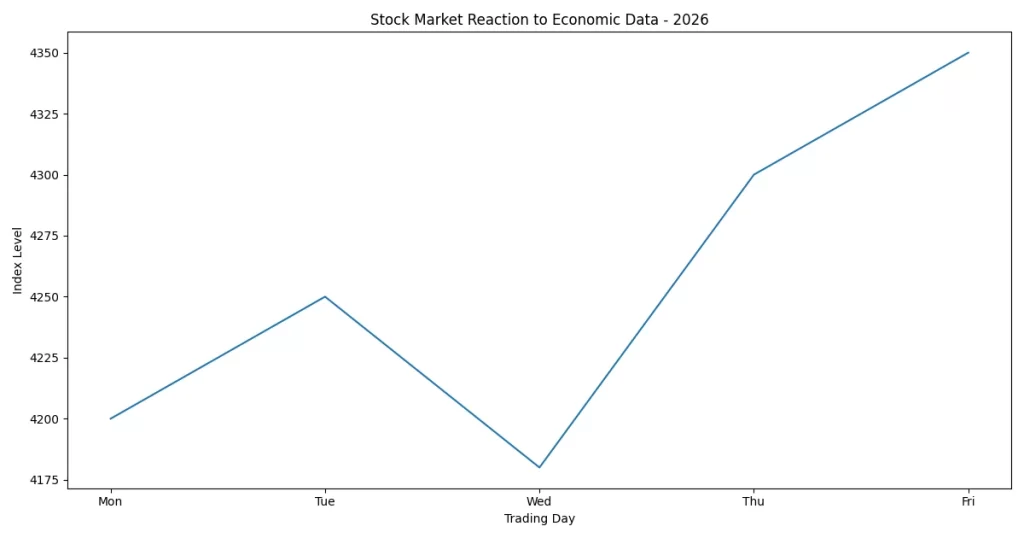
The stock market reaction to economic data in 2026 continues to reflect investor interpretation of inflation trends, employment reports, and Federal Reserve policy decisions. Financial markets respond quickly to new information, adjusting prices based on expectations about growth, interest rates, and corporate earnings.
Economic data releases often influence short-term market volatility, but long-term trends typically depend on broader economic fundamentals.
Why Economic Data Influences Markets
Financial markets operate based on expectations. When new economic information becomes available, investors reassess their outlook and adjust investment positions accordingly.
Key reports that influence stock prices include:
- Inflation reports
- Employment data
- Federal Reserve announcements
- Consumer spending figures
- Manufacturing activity reports
When data signals stronger economic growth, markets may respond positively. When reports suggest slowing activity or rising inflation pressures, volatility may increase.
Inflation Reports and Market Movements
Inflation data plays a significant role in shaping market sentiment. As highlighted in the US inflation CPI report 2026, moderate changes in consumer prices can influence expectations about future interest rate policy.
(Internal link to CPI article)
If inflation rises faster than expected:
- Investors may anticipate higher interest rates
- Growth stocks may experience volatility
- Bond yields may increase
Official inflation data is published by the U.S. Bureau of Labor Statistics:
https://www.bls.gov/cpi/
These releases are closely monitored by institutional investors.
Employment Data and Investor Confidence
The stock market reaction to economic data often depends heavily on employment trends. The US jobs report 2026 provides insight into labor market strength, wage growth, and unemployment levels.
(Internal link to Jobs Report article)
Strong employment growth may indicate expanding consumer spending potential. However, rapid wage growth could also influence inflation expectations.
Markets analyze both the headline job numbers and underlying wage trends to assess economic balance.
Official employment statistics are available through the Bureau of Labor Statistics:
https://www.bls.gov/
Federal Reserve Policy Announcements
Central bank decisions frequently trigger immediate market responses. As discussed in our coverage of the Federal Reserve interest rate decision 2026, policymakers evaluate inflation and employment data before determining interest rate adjustments.
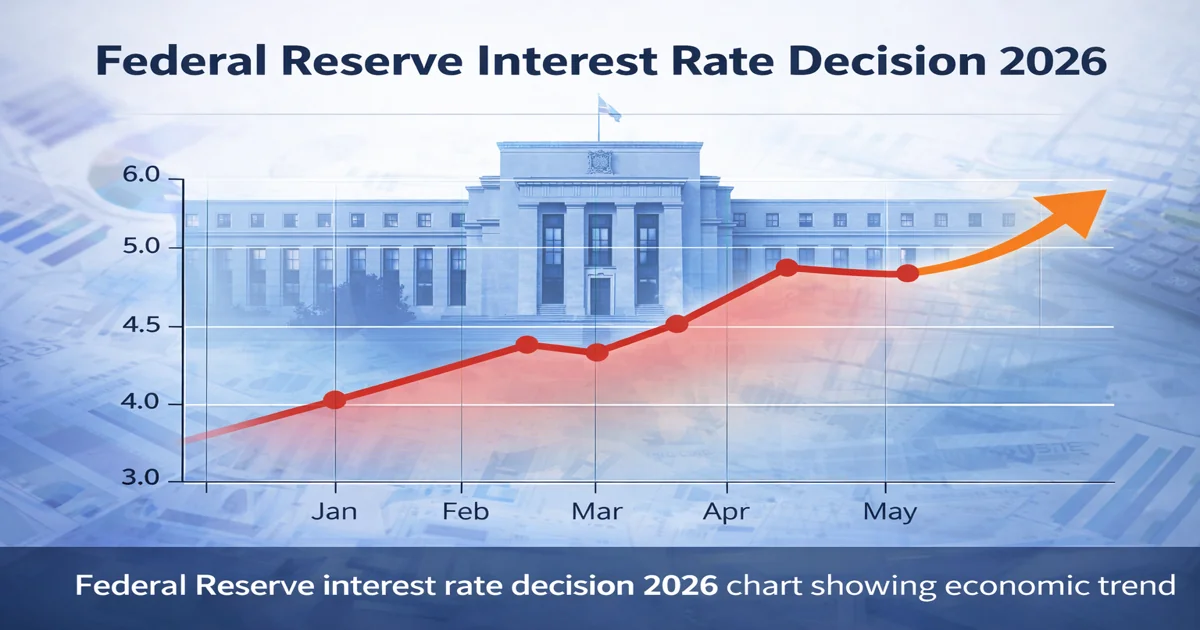
When the Federal Reserve signals tighter policy:
- Equity markets may show short-term volatility
- Interest-sensitive sectors may react
- Financial stocks may respond differently than technology stocks
Conversely, signals of stable or accommodative policy can influence investor confidence.
Official Federal Reserve statements are available at:
https://www.federalreserve.gov/
Sector-Specific Reactions
Not all sectors respond equally to economic data.
Technology Sector
Technology stocks often react strongly to interest rate expectations. Higher rates can influence growth-oriented valuations.
Financial Sector
Banks and financial institutions may benefit from certain rate environments depending on lending margins.
Consumer Goods
Retail and consumer goods companies are influenced by employment trends and consumer confidence levels.
Energy Sector
Energy stocks may respond to global supply dynamics in addition to domestic economic indicators.
Sector diversity helps balance overall market performance.
Short-Term Volatility vs Long-Term Trends
The stock market reaction to economic data is often immediate but not always lasting.
Short-term movements may reflect:
- Surprises relative to forecasts
- Algorithmic trading activity
- Investor sentiment shifts
Long-term market direction typically depends on:
- Corporate earnings growth
- Productivity trends
- Innovation
- Global economic conditions
Understanding this distinction helps investors interpret market movements responsibly.
Global Influences on US Markets
Although domestic economic data is influential, global factors also affect stock performance.
These include:
- International trade conditions
- Currency movements
- Geopolitical developments
- Commodity price trends
US markets often respond to both domestic and global economic signals simultaneously.
Market Expectations and Forecasting
Financial analysts attempt to forecast economic data before official releases. When actual data differs significantly from expectations, market reactions tend to be stronger.
If data aligns closely with forecasts, market responses may be moderate.
Expectations play a crucial role in determining price movements.
Role of Institutional Investors
Institutional investors such as pension funds, mutual funds, and hedge funds closely monitor economic data. Their investment decisions can influence overall market direction due to the scale of capital involved.
Retail investors also respond to economic releases, though market impact may vary depending on participation levels.
Responsible Interpretation of Market Data
While economic reports influence markets, it is important to interpret short-term movements cautiously. Daily fluctuations do not necessarily indicate long-term economic shifts.
Investors often consider:
- Diversification strategies
- Risk tolerance
- Long-term financial goals
Professional financial advice may provide additional context for personal investment decisions.
What to Watch in 2026
Key upcoming reports that may influence the stock market reaction to economic data include:
- Future CPI releases
- Employment reports
- Federal Reserve meeting summaries
- Corporate earnings reports
Monitoring official data sources helps maintain informed awareness of economic developments.
FAQs
1. Why does the stock market react to economic data?
Markets respond to new information that may influence economic growth, corporate earnings, and interest rate expectations.
2. Which economic report affects markets the most?
Inflation data, employment reports, and Federal Reserve announcements are among the most influential.
3. Does strong employment always boost markets?
Strong employment may support growth, but wage trends and inflation expectations also matter.
4. Where can I access official economic data?
Official data is available at https://www.bls.gov/ and https://www.federalreserve.gov/
5. Are short-term market swings normal?
Yes, short-term volatility often occurs after major economic releases.
Conclusion
The stock market reaction to economic data in 2026 reflects evolving investor expectations regarding inflation, employment trends, and monetary policy decisions. While short-term volatility may follow major data releases, long-term market direction typically depends on broader economic fundamentals and corporate performance.
Monitoring official data sources and maintaining a balanced perspective can help individuals understand market developments responsibly.