US Inflation CPI Report 2026 Shows Slight Price Rise
By News Story US • February 24, 2026
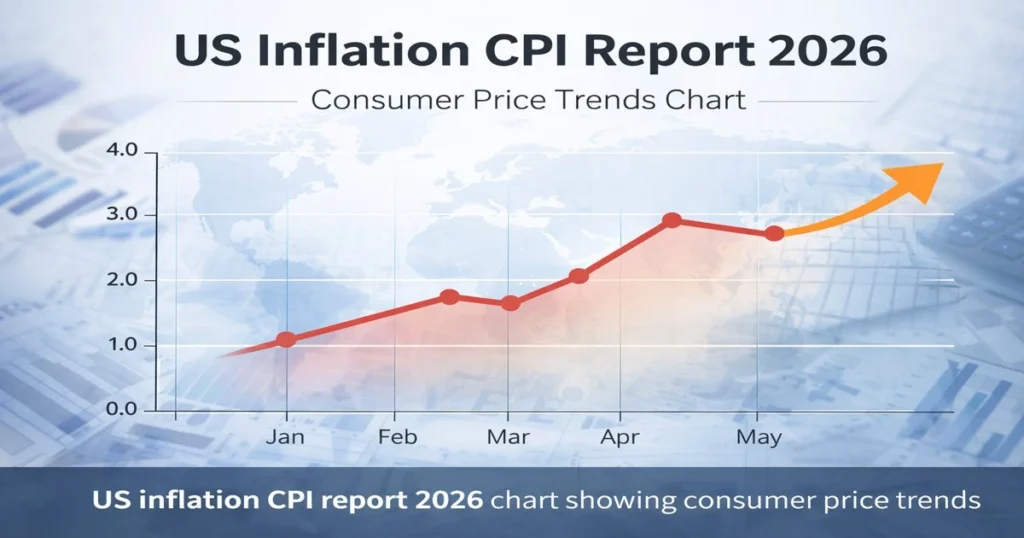
The latest US inflation CPI report 2026 shows a modest increase in consumer prices, reflecting steady adjustments in housing, energy, and essential goods. The data provides important insight into inflation trends and helps policymakers, businesses, and households understand the broader economic landscape.
The Consumer Price Index (CPI) remains one of the most closely monitored economic indicators in the United States. It measures the average change over time in prices paid by urban consumers for a basket of goods and services. Because it tracks everyday expenses, the CPI plays a central role in economic planning and financial decision-making.
What the US Inflation CPI Report Reveals
According to the most recent release, overall consumer prices rose slightly compared to the previous month. While the increase is moderate, certain categories continue to influence inflation more than others.
Key highlights from the US inflation CPI report include:
- Continued strength in housing-related costs
- Gradual changes in food prices
- Modest shifts in energy expenses
- Stable trends in transportation costs
Core inflation, which excludes food and energy due to their short-term volatility, remains a critical measure for assessing long-term price stability. Policymakers often examine core inflation when evaluating broader economic conditions.
Historical Context: Comparing Recent Trends
Looking at CPI data over the past year provides helpful context. Inflation levels have gradually moderated compared to previous peak periods. While earlier economic disruptions caused sharper increases in certain sectors, more recent reports indicate relative stabilization.
For example:
- Housing inflation remains elevated but shows slower growth than prior peaks.
- Energy prices have fluctuated but remain more stable compared to previous periods of volatility.
- Food price growth has moderated in several categories.
Understanding these historical shifts helps analysts assess whether inflation pressures are easing or stabilizing.
Housing Costs Continue to Influence Inflation
Housing remains one of the most significant contributors to CPI movements. Rental prices, property-related expenses, and housing services represent a substantial portion of consumer spending.
Because housing costs tend to adjust gradually, they often have a sustained impact on inflation readings. Even modest increases in housing expenses can influence overall CPI data.
For many households, housing remains the largest monthly expense. As a result, movements in this category receive close attention from economic observers.
Energy and Transportation Trends
Energy prices, including gasoline and electricity, can fluctuate based on global supply and demand conditions. While recent movements have been moderate, even small adjustments in fuel prices can affect transportation and production costs.
Transportation services, however, have shown relative stability in the latest CPI report. This suggests that supply chain conditions and consumer demand have reached a more balanced state compared to prior disruptions.
How the CPI Is Calculated
The Consumer Price Index measures price changes across several categories, including:
- Food and beverages
- Housing
- Apparel
- Transportation
- Medical care
- Education
- Recreation
Each category is assigned a weight based on consumer spending patterns. This ensures that the index reflects real-world spending behavior rather than isolated price movements.
Official CPI data is published by the U.S. Bureau of Labor Statistics (BLS), which regularly updates the methodology to maintain accuracy and transparency.
Source: https://www.bls.gov/cpi/
Market Reaction to the CPI Data
Financial markets often respond quickly to inflation data releases. Following publication of the US inflation CPI report 2026:
- Equity markets showed moderate fluctuations
- Bond yields adjusted slightly
- Investors maintained cautious but stable sentiment
Market reactions typically depend on whether inflation figures exceed or fall below forecasts. In this case, the moderate rise aligned closely with expectations, contributing to relatively measured responses.
Implications for Interest Rate Policy
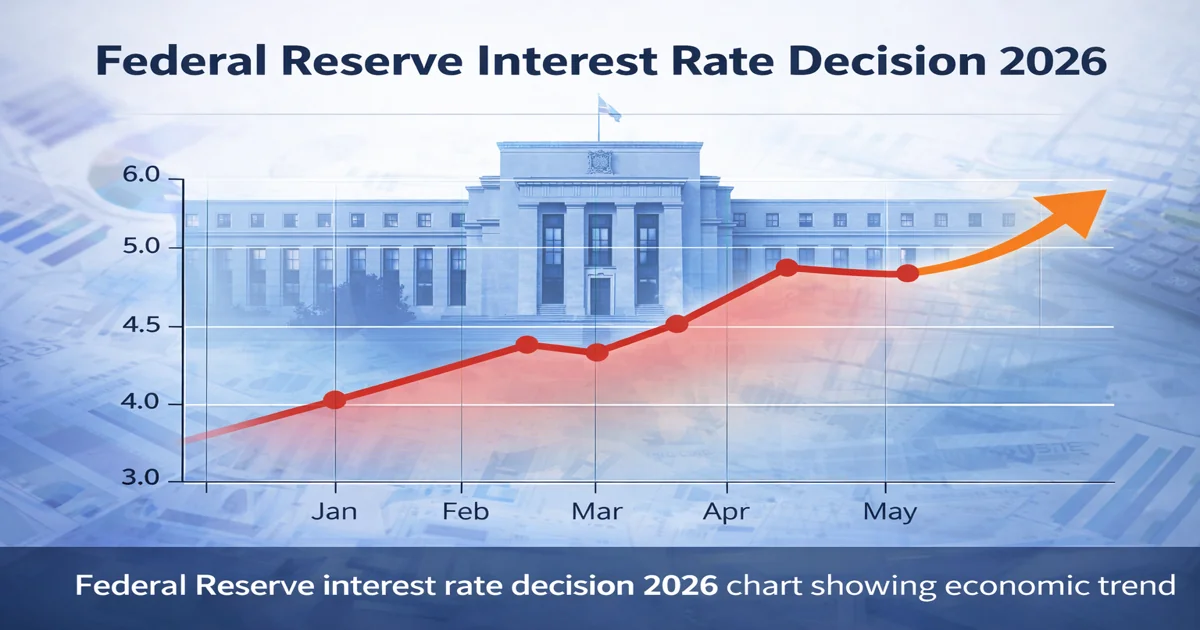
The US inflation CPI report is an important reference point for Federal Reserve policy decisions. Central bank officials monitor inflation carefully when evaluating interest rate adjustments.
If inflation remains above long-term targets:
- Interest rates may remain steady or elevated
- Borrowing costs could stay higher
- Lending conditions may tighten
If inflation stabilizes further:
- Rate adjustments may be considered
- Financial conditions could gradually ease
The relationship between CPI data and monetary policy is complex, but inflation readings remain a primary input in decision-making processes.
For more on monetary policy trends, see our analysis on Federal Reserve interest rate decisions .
Impact on Businesses
Businesses use inflation data to inform pricing strategies, supply chain planning, and long-term investment decisions. Stable inflation allows companies to forecast costs more effectively and manage operational expenses.
Industries that are particularly sensitive to CPI changes include:
- Retail and consumer goods
- Manufacturing
- Construction
- Transportation and logistics
Predictable economic conditions support strategic planning and sustainable growth.
Impact on Consumers and Households
For households, inflation directly affects purchasing power. When prices increase:
- Grocery expenses may rise
- Utility bills may fluctuate
- Rent or mortgage-related costs may adjust
However, moderate inflation is generally considered part of a functioning economy. Policymakers aim to balance price stability with employment growth and economic expansion.
Consumers can benefit from understanding how CPI data influences everyday expenses and financial planning decisions.
Broader Global Context
Inflation trends are influenced not only by domestic economic factors but also by global conditions such as:
- International trade dynamics
- Commodity pricing
- Energy markets
- Supply chain efficiency
While the US inflation CPI report focuses on domestic prices, global economic developments can influence overall inflation patterns.
What to Watch in Upcoming Reports
Future economic releases may provide additional clarity on inflation direction. Analysts will closely monitor:
- Employment reports
- Retail sales data
- Producer Price Index (PPI) releases
- Federal Reserve policy statements
These indicators help form a more comprehensive understanding of economic momentum.
Frequently Asked Questions (FAQs)
1. What is the US inflation CPI report?
The US inflation CPI report measures changes in consumer prices across goods and services and serves as a key indicator of inflation.
2. How often is CPI released?
CPI data is typically published monthly by official economic authorities.
3. What is core inflation?
Core inflation excludes food and energy prices to provide a more stable measure of underlying inflation trends.
4. Why does CPI influence interest rates?
Central banks use CPI data to assess whether adjustments to interest rates are needed to maintain price stability.
5. Does moderate inflation indicate economic growth?
Moderate inflation is often considered part of a balanced and growing economy.
Conclusion
The US inflation CPI report 2026 shows a modest rise in consumer prices, primarily influenced by housing and energy trends. While inflation remains a critical economic indicator, recent movements suggest gradual stabilization rather than abrupt shifts.
Policymakers, investors, businesses, and households will continue monitoring inflation data to better understand the direction of economic conditions in the months ahead.